
-
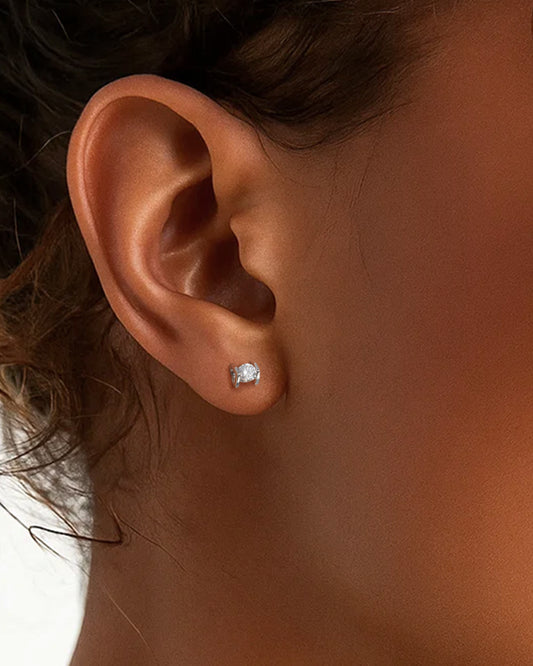
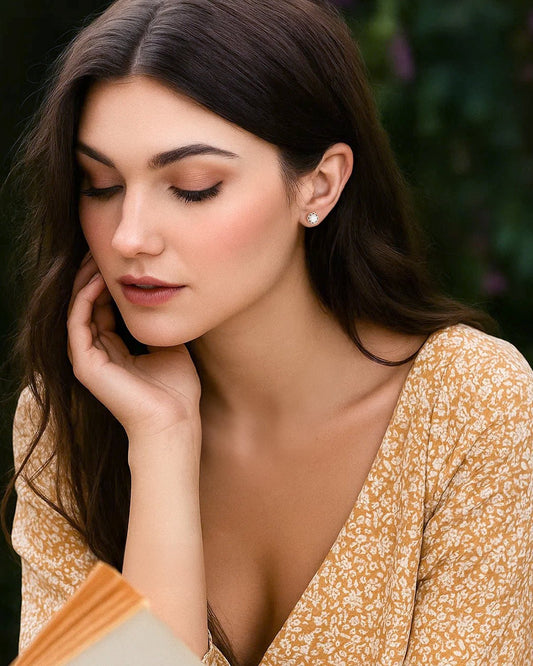
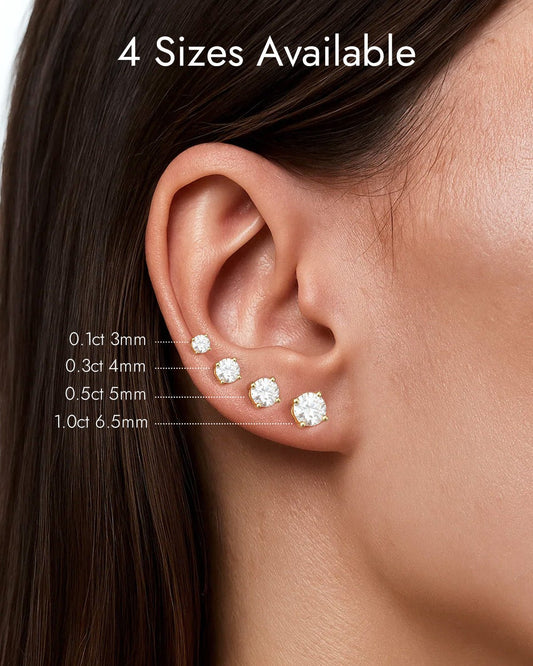
Molenia Classic Round Moissanite Stud Earrings
Regular price From $35.99Regular price -
Moissanite Stud Earrings with 14K Solid Gold Posts
Regular price From $89.99Regular price -
Moissanite Stud Earrings with Screw Back
Regular price From $40.99Regular price -
Moissanite Stud Earrings �Bezel Set Brilliant Cut
Regular price From $35.99Regular price -
Heart Moissanite Stud Earrings
Regular price From $39.99Regular price -
Molenia Moissanite Rose Stud Earrings
Regular price $39.99Regular price -
Molenia Halo Moissanite Stud Earrings
Regular price $49.99Regular price -
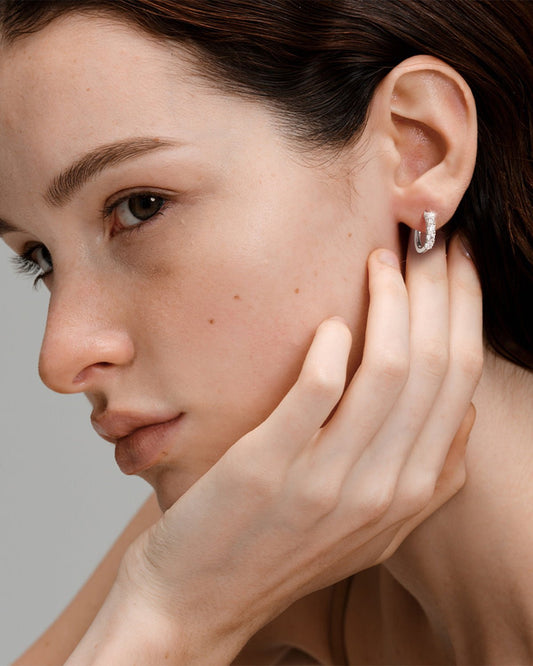
Molenia Moissanite Hoop Earrings
Regular price From $59.99Regular price -
Molenia Silver Moissanite Drop Earrings
Regular price From $49.99Regular price -
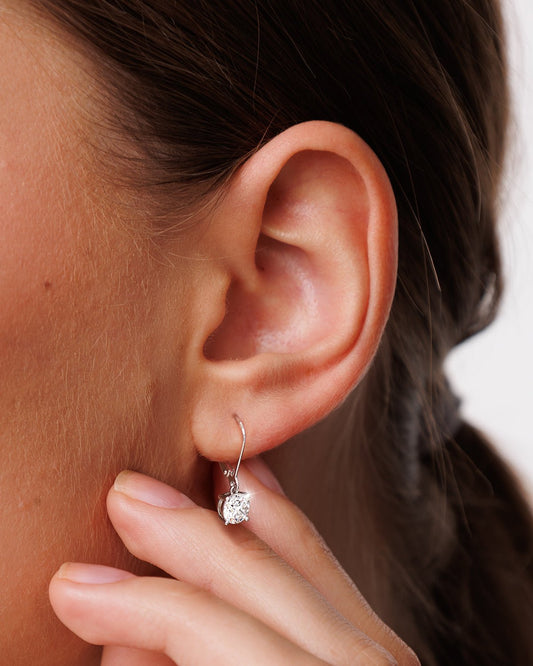
Moissanite Lever‑Back Drop Earrings
Regular price From $59.99Regular price -
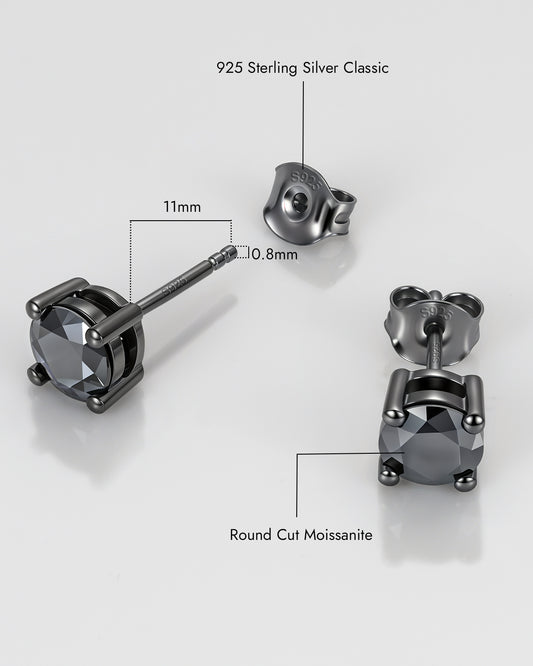
Molenia Black Moissanite Stud Earrings
Regular price From $39.99Regular price -
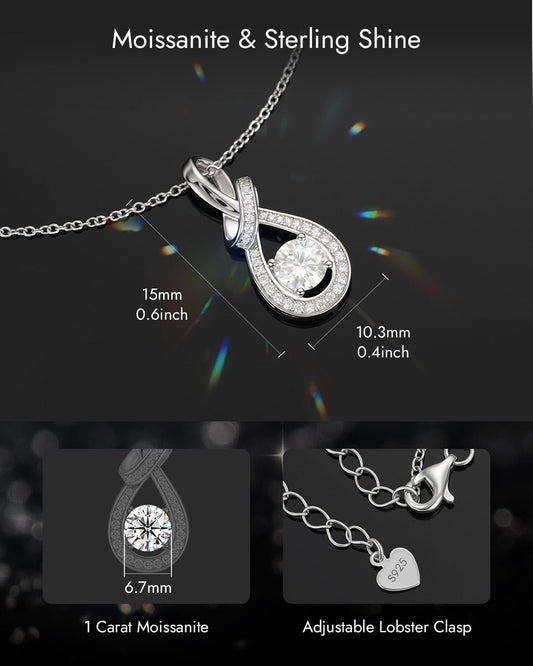
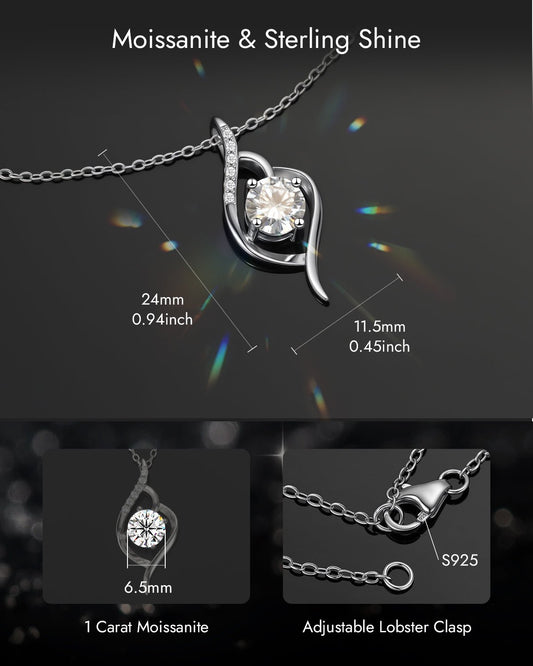
Infinity Teardrop Moissanite Necklace
Regular price $79.99Regular price -
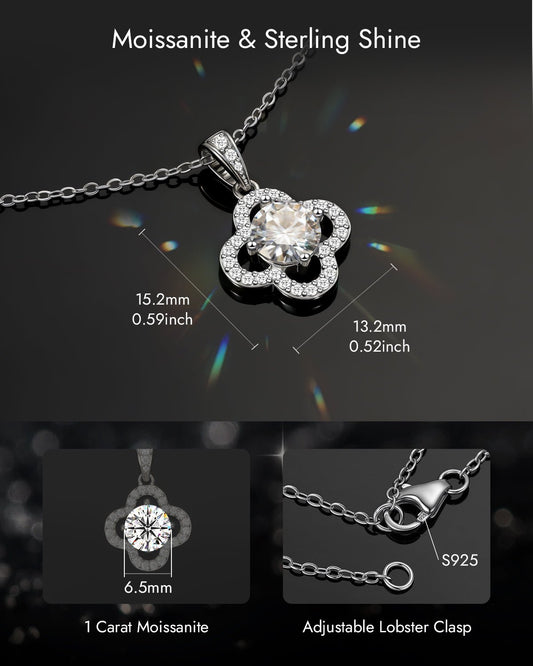
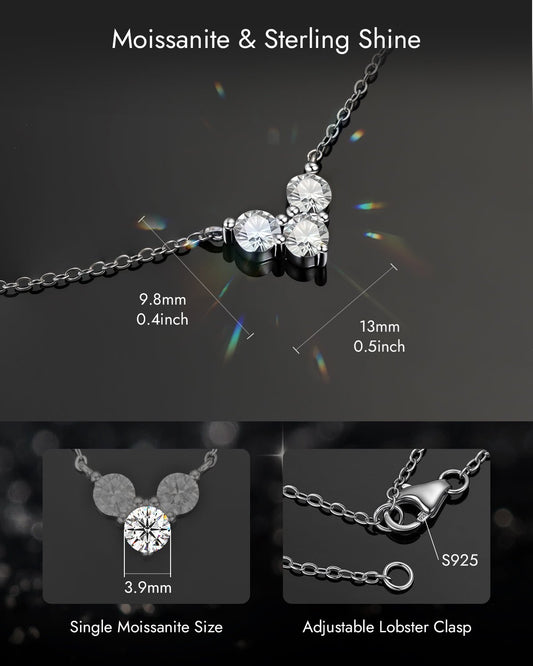
Four Leaf Clover Moissanite Necklace
Regular price $59.99Regular price -
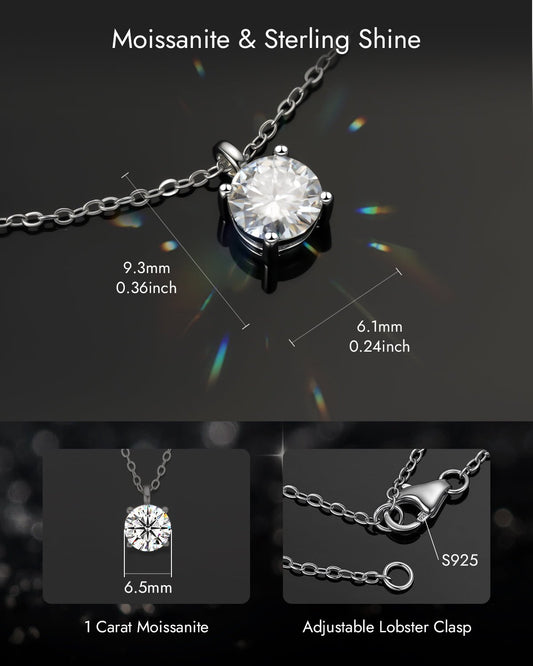
Solitaire Moissanite Necklace
Regular price $49.99Regular price -
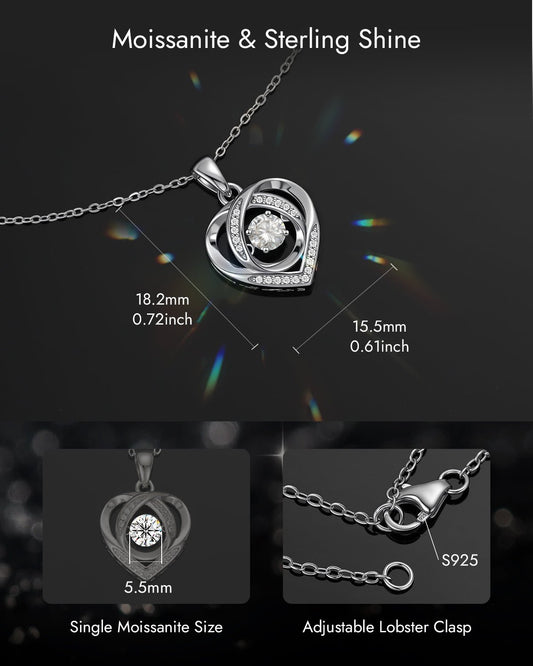
Moissanite Heart Pendant Necklace
Regular price $69.99Regular price -
Sterling Silver Moissanite Necklace
Regular price $69.99Regular price -
Heart Shape Moissanite Necklace
Regular price From $59.99Regular price -
Molenia Promise Moissanite Necklace
Regular price $69.99Regular price -
Flat Back Moissanite Stud Earrings
Regular price From $39.99Regular price -
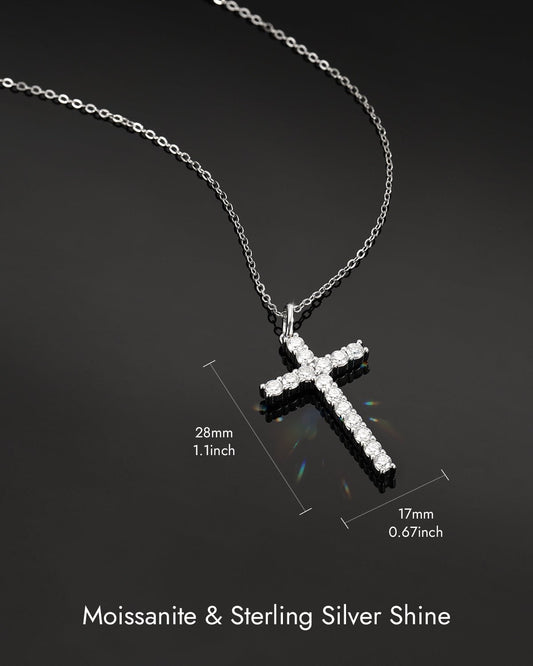
Molenia Moissanite Cross Necklace
Regular price $79.99Regular price -
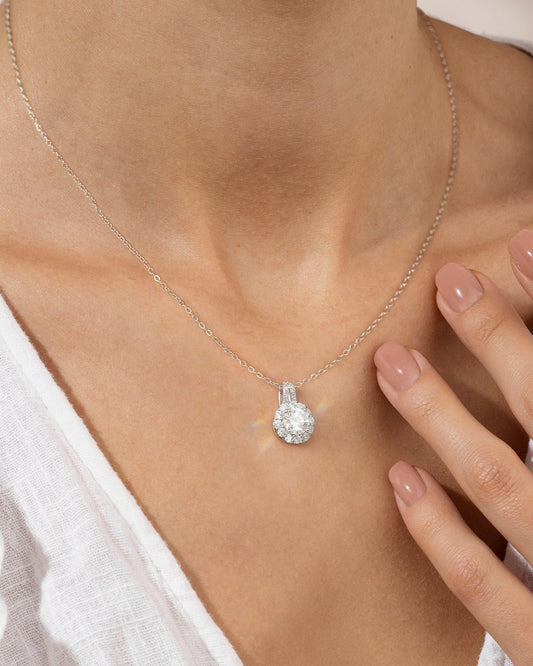
Molenia Halo Moissanite Necklace
Regular price $59.99Regular price -
3CT Moissanite Solitaire Ring
Regular price $99.99Regular price -
2CT Radiant Cut Moissanite Engagement Rings for Women, D Color VVS1 Lab Created
Regular price $99.99Regular price





























About Moissanite You Should Know

What Is Moissanite?
Moissanite is a lab-grown gemstone made of silicon carbide. First discovered in 1893 in a meteor crater by French chemist Henri Moissan, it’s now recognized for its brilliance, durability, and ethical sourcing. A cost-effective alternative to diamonds, moissanite has become a favorite for engagement rings and fine jewelry.
Is moissanite a real diamond?
No. While they have a smiliar look, moissanite derives from the mineral silicon carbide, wheras diamonds are composed of crystalized bonded carbon atoms.
Does moissanite sparkle more than a diamond?
Yes. Moissanite has a higher refractive index than diamond, meaning it reflects more light and produces more fire (colorful flashes).
Can people tell it's not a diamond?
Most people can’t tell the difference without special tools. Jewelers may detect subtle differences under magnification, but to the naked eye, moissanite is impressively similar to diamonds.
Will moissanite lose its sparkle over time?
No. Unlike cubic zirconia, moissanite maintains its fire and clarity forever.
Can I use moissanite for engagement rings?
Absolutely! Many modern couples choose moissanite for its ethical sourcing and stunning look.
Is moissanite suitable for daily wear?
Absolutely. With a hardness of 9.25 on the Mohs scale, moissanite is highly scratch-resistant and perfect for everyday jewelry like engagement rings.
Is moissanite certified?
Reputable sellers often provide certificates for moissanite, detailing cut, clarity, and color, though they're not graded by GIA like diamonds.
What is the difference between Moissanite and Diamond?
The main differences are origin, price and sparkle. Diamonds are natural (or lab-grown) and expensive, while moissanite is lab-created and costs about one-tenth of a diamond. Moissanite is also known for its intense fire and brilliance.